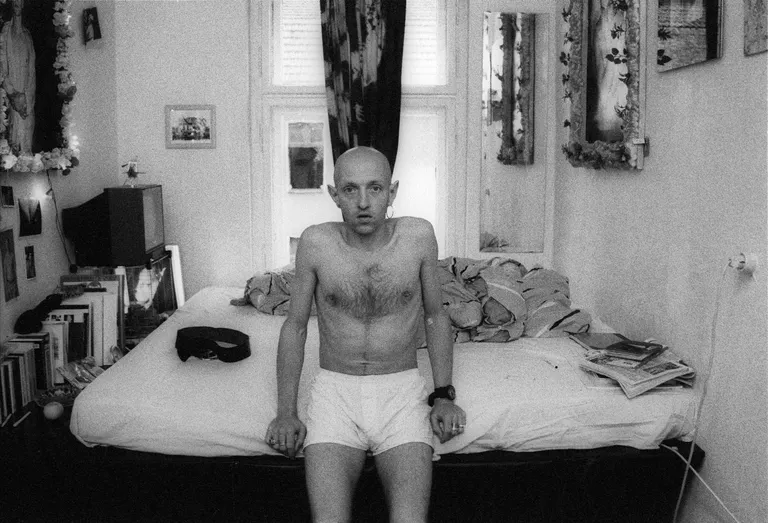
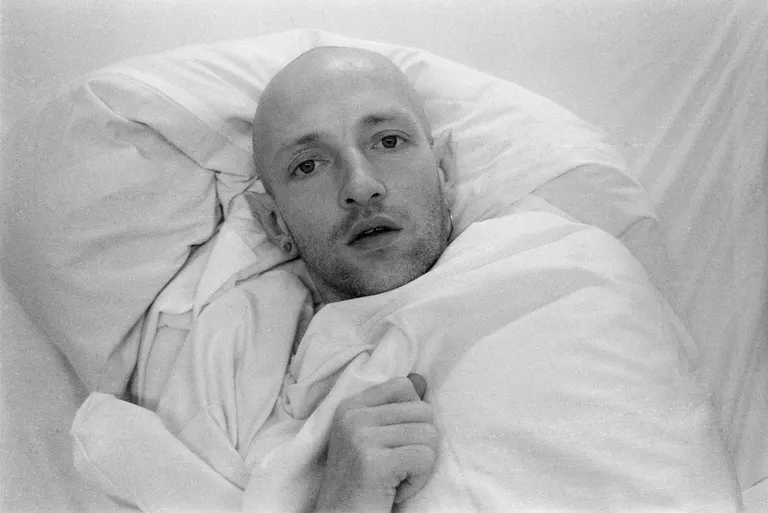
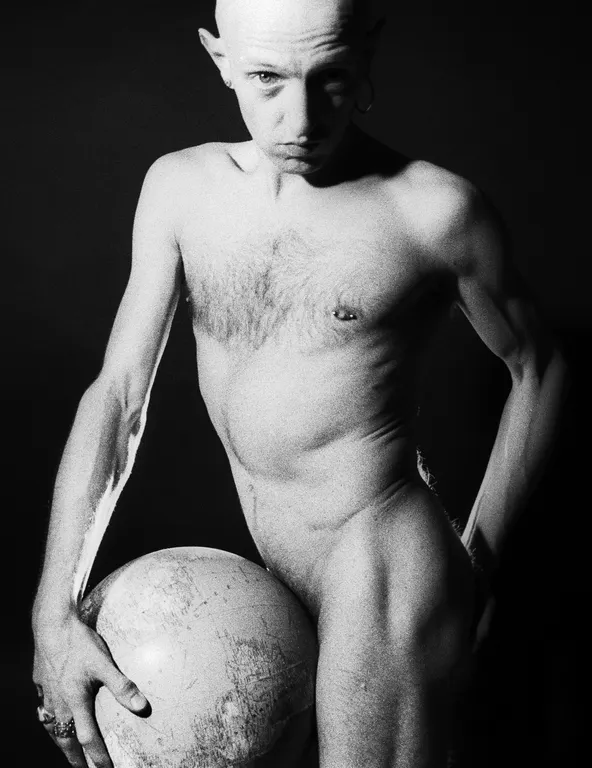
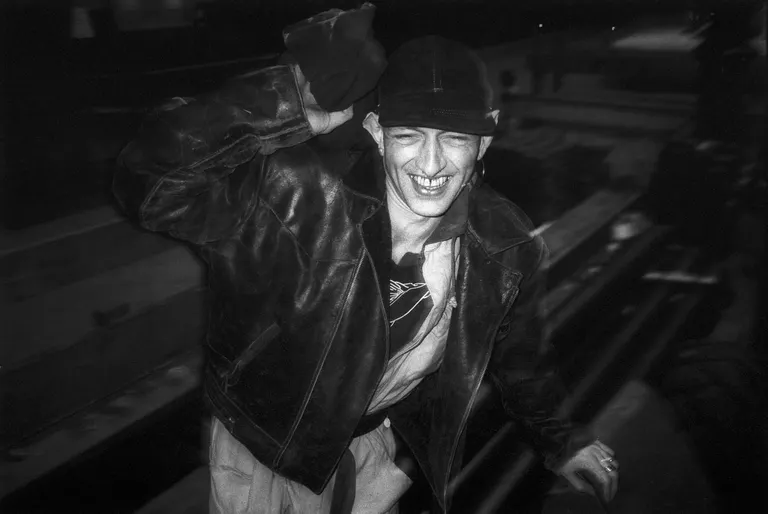
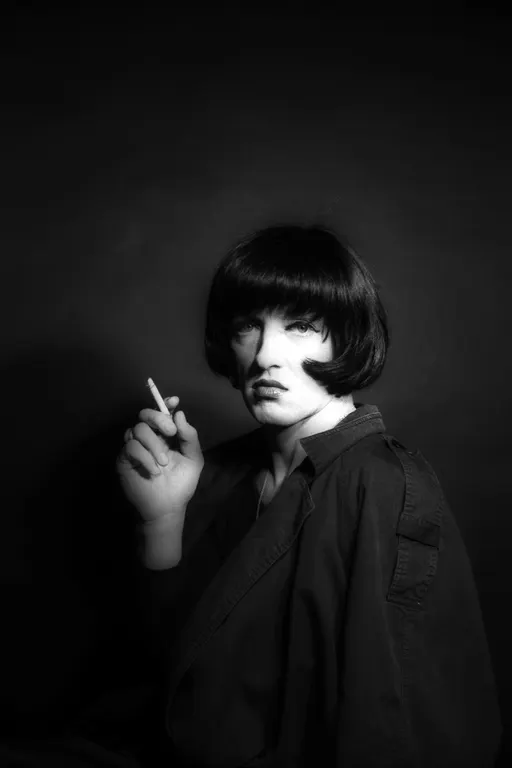
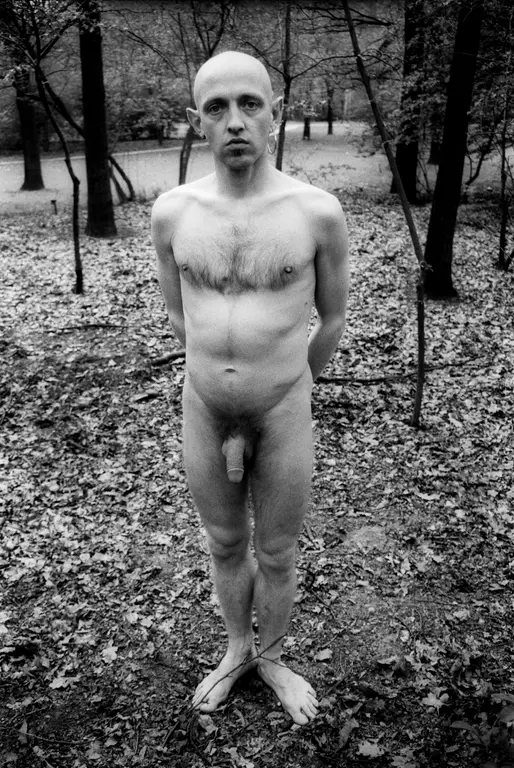
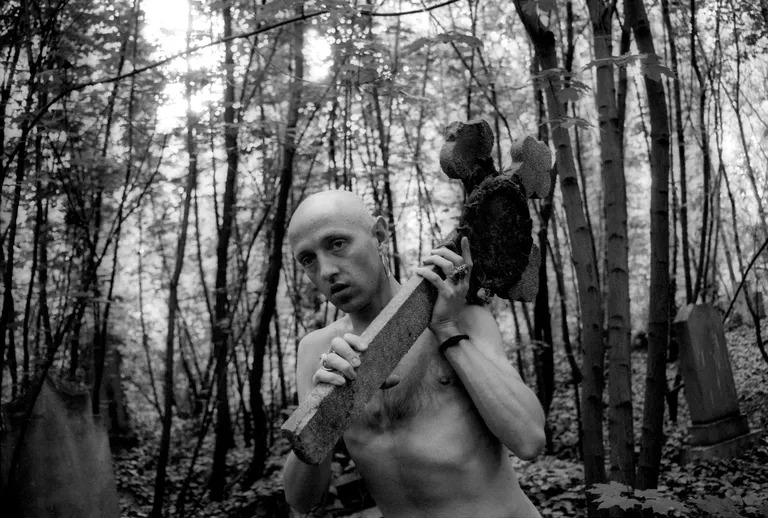
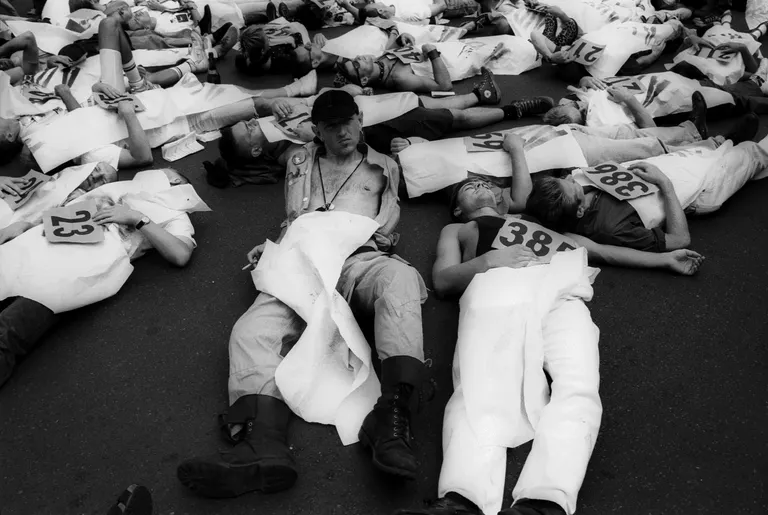
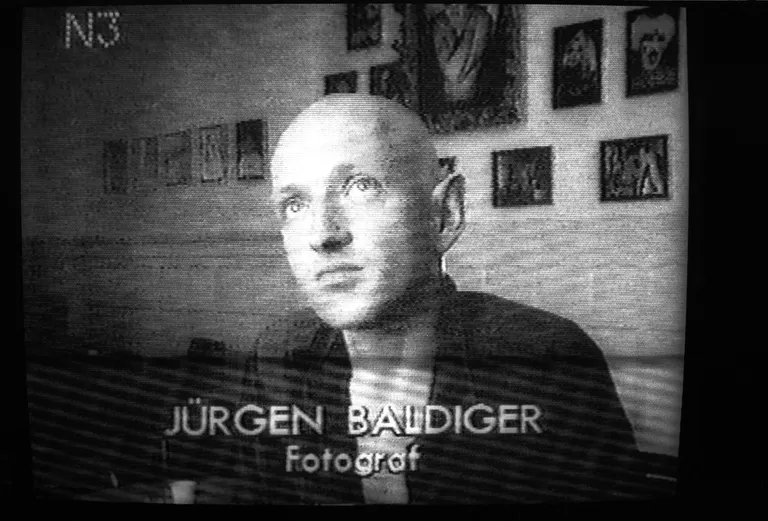
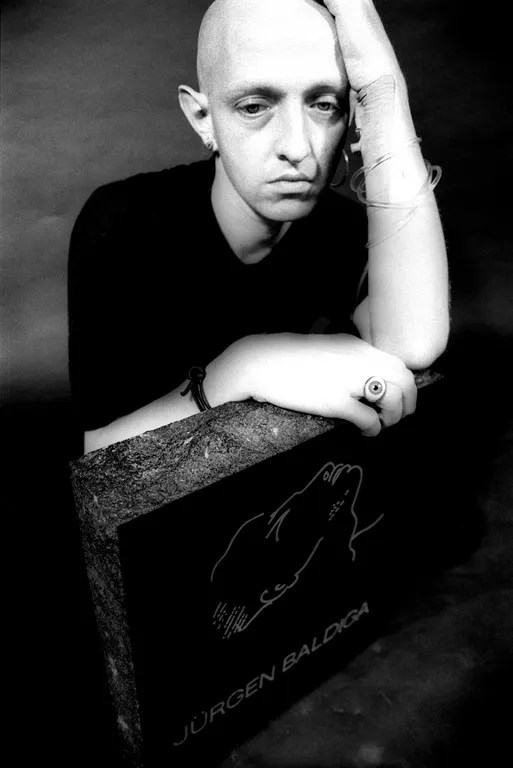
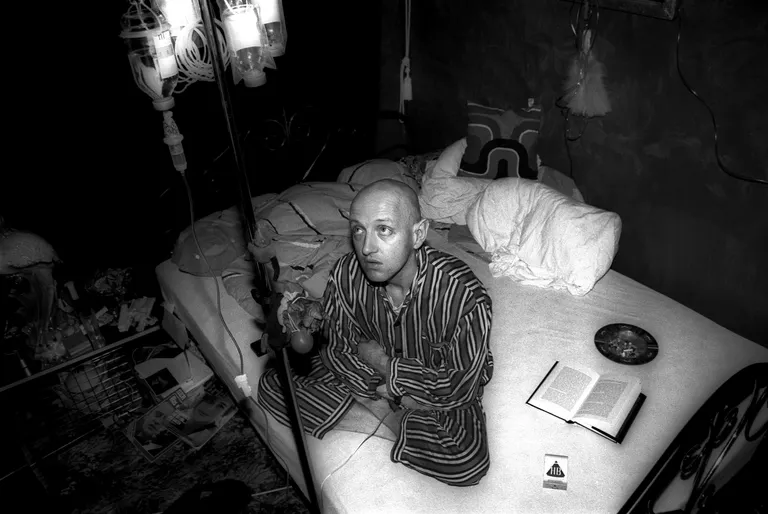
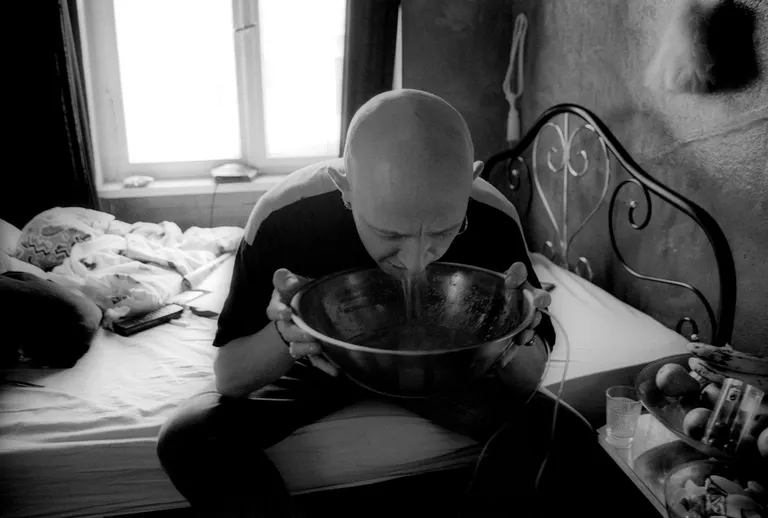
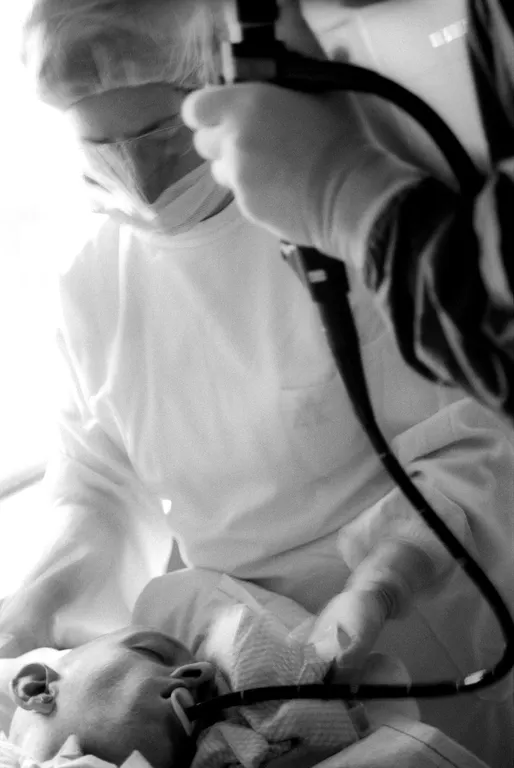
Jürgen Baldiga entschied bei der Regelung der Angelegenheiten für seinen absehbaren Tod, dass er eingeäschert werden wollte. Er bat Aron Neubert, die Verbrennung fotografisch festzuhalten: Das letztgültige Bild der sichtbaren Auflösung seines Körpers, der das Objekt unzähliger Selbstportraits war, die Jürgen Baldiga schon von sich geschossen hatte. Aron gab das Versprechen, diese Aufnahme zu machen. Im Gegenzug verlangte er, für jeden Monat, den Jürgen noch lebte, einen Termin zu vereinbaren, an dem er Jürgen fotografieren würde. Daraus sollte eine Serie werden, die dann im Bild aus dem Krematorium ihren Abschluß gefunden hätte.
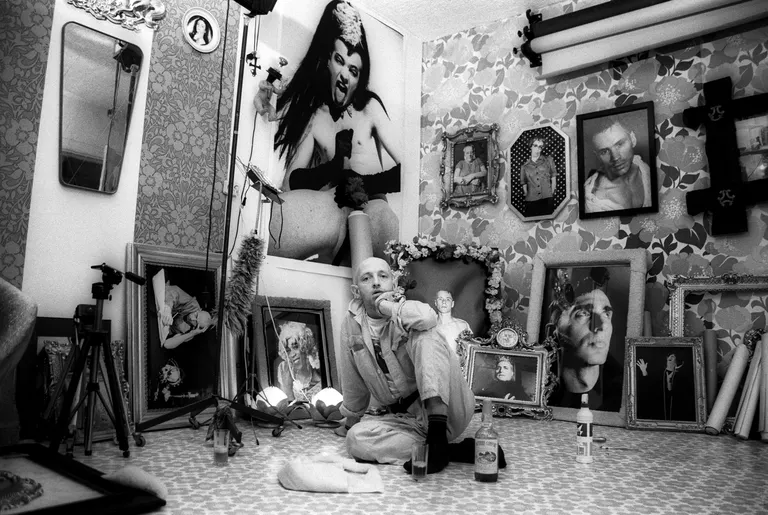
Aufgrund dieses entfernt an einen Teufelspakt erinnernden Vertrags zwischen Freunden kamen die hier vorgestellten Portraits zustande. Hinter der Kamera war Jürgen Baldigas Neugier auf jede Schattierung von Exhibitionismus gerichtet. Er erforschte die mal introvertierte, mal extrovertierte Suche der Porträtierten nach ihrem Selbstbild. Das Objekt, als das er sich vor Aron Neuberts Kamera angeboten hatte, war von der Faszination durch das restlose Verschwinden des eigenen Bildes bestimmt. Der Wunsch eines umgekehrten Narziß. Der aus dem Mythos verging im Verlangen, sich mit seinem Spiegelbild im Wasser zu vereinen. Bald erfreut er sich — mit seinem Bild eins geworden — an dessen Vernichtung im Feuer.
Es wäre falsch, dieses Fest der Vergänglichkeit nur als Verliebtheit in den Tod zu verstehen. Vor allem ist es eine Form, den Tod zu verdrängen, vergleichbar dem Eifer, mit dem Baldiga seine eigene Bestattungsfeier plante. Der Redner für die Totenfeier war bestimmt und sogar die Musik dafür hatte Jürgen noch wenige Tage vor seinem Tod selbst auf eine Kassette überspielt. Auch das Sterben wurde nicht dem Zufall überlassen. Mit Freunden stieß er am letzten Abend auf die Entscheidung an, daß der physischen Unmöglichkeit, ein Leben nach selbst gesetzten Maßstäben zu führen, nun ein Ende gemacht werden sollte.
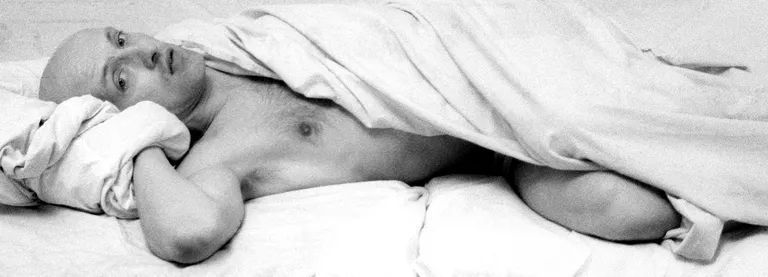
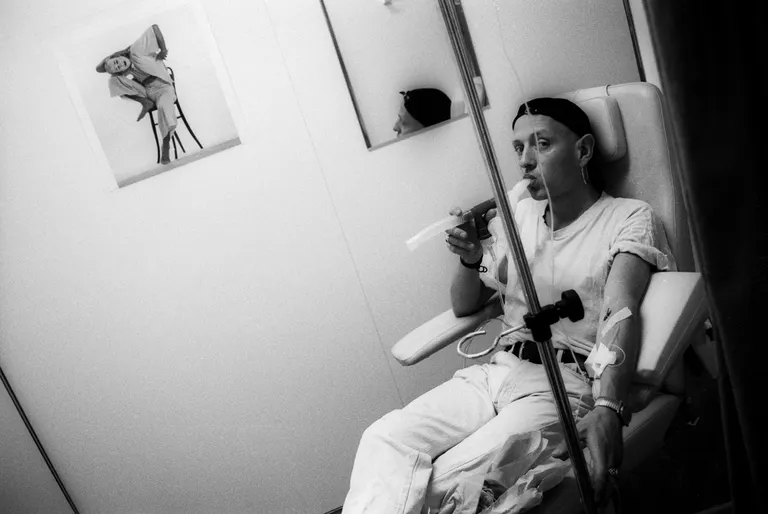
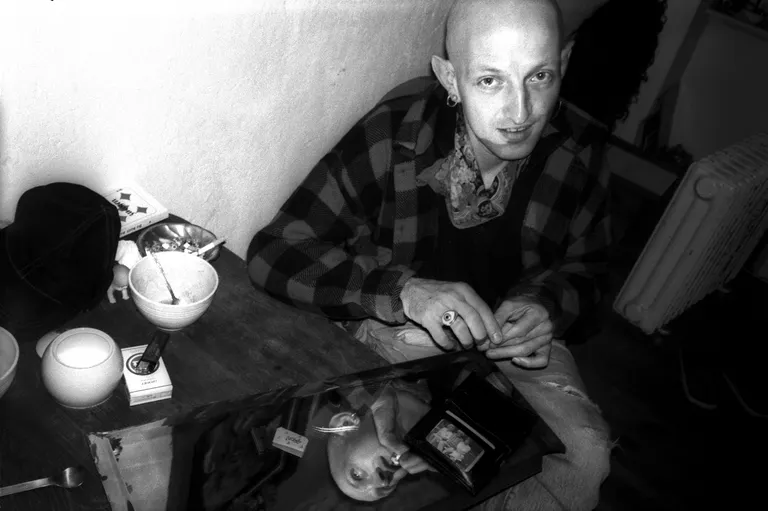
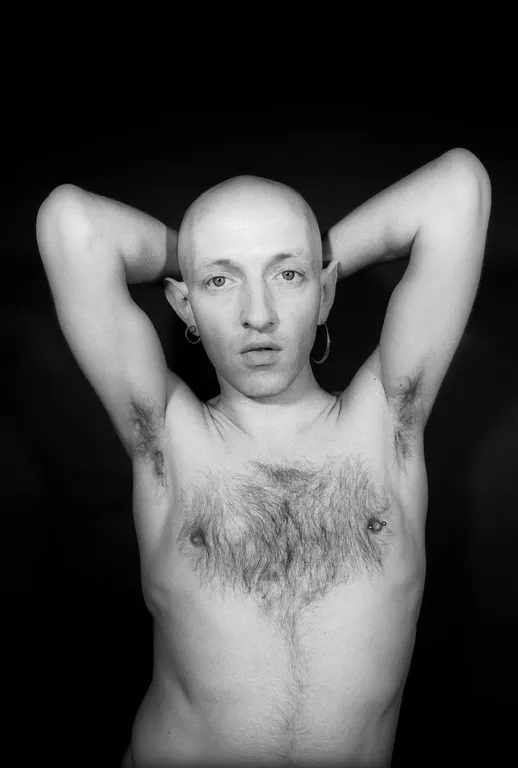
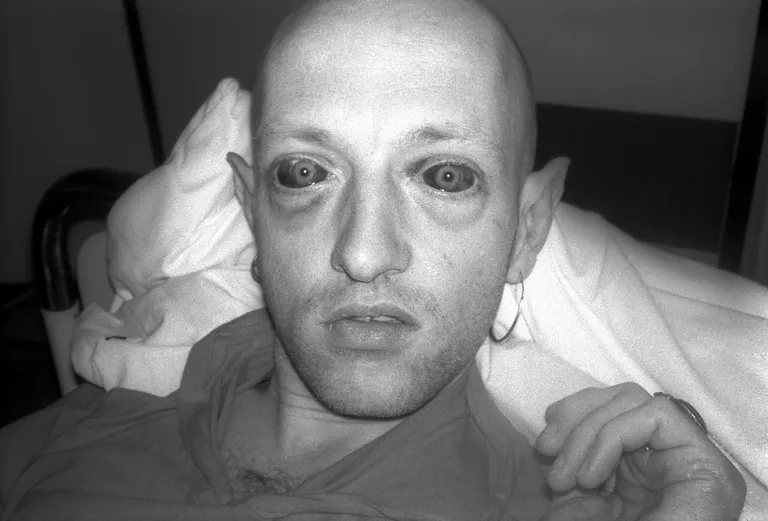
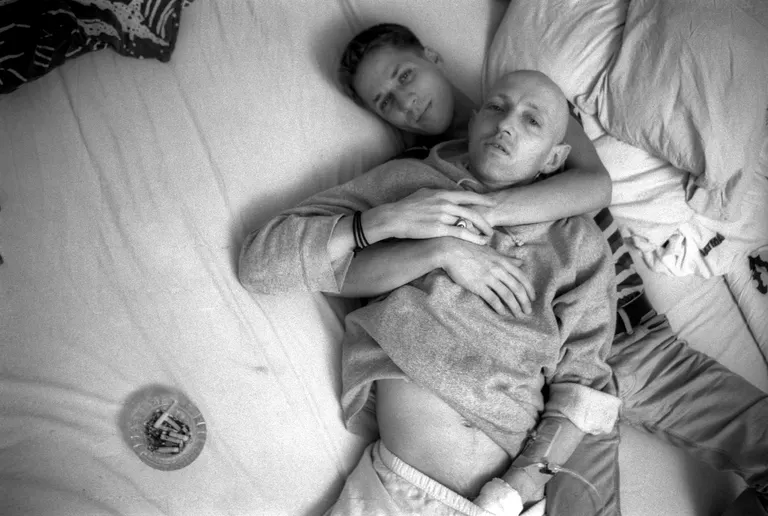
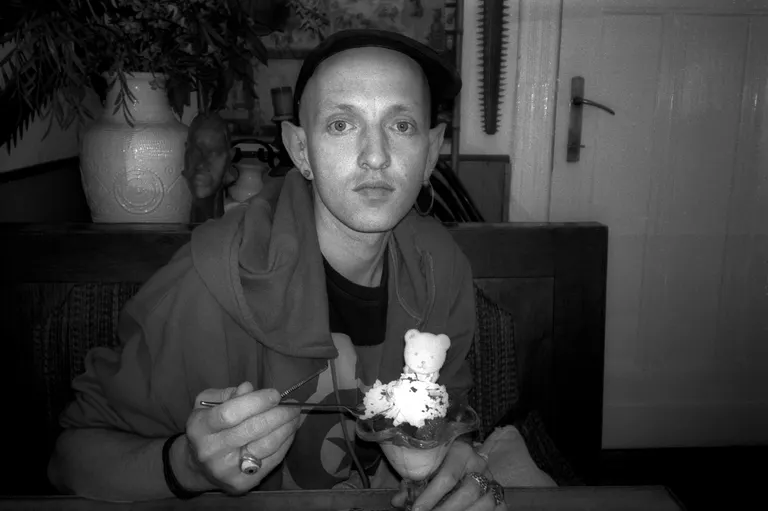
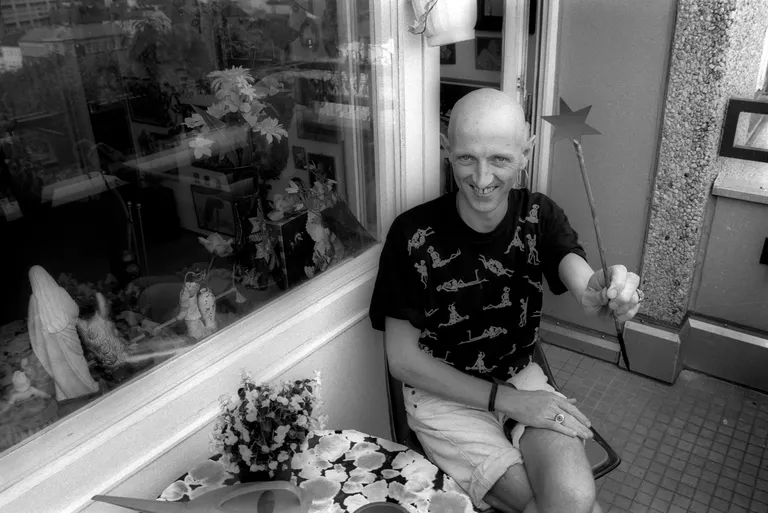
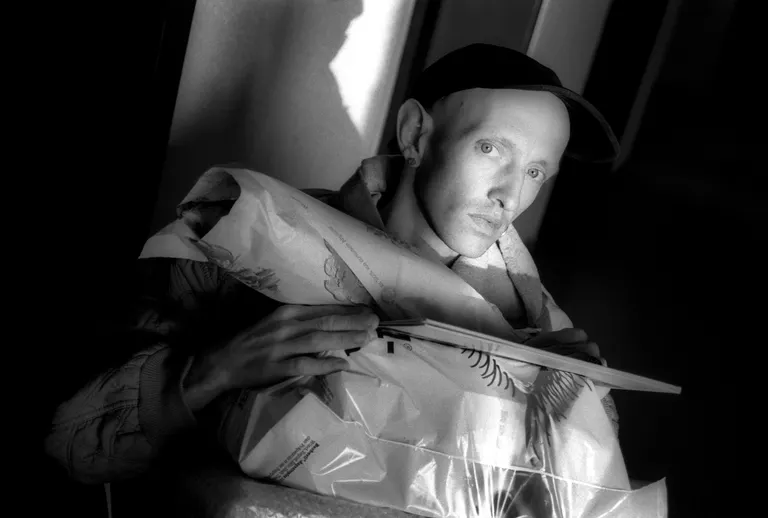
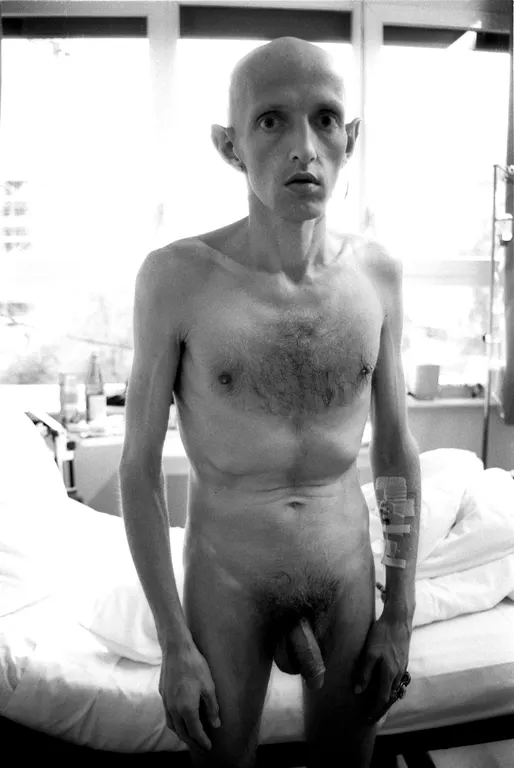
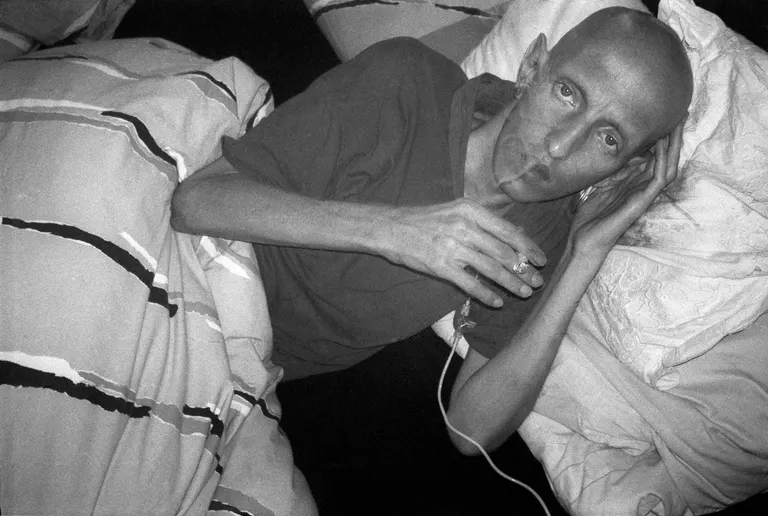
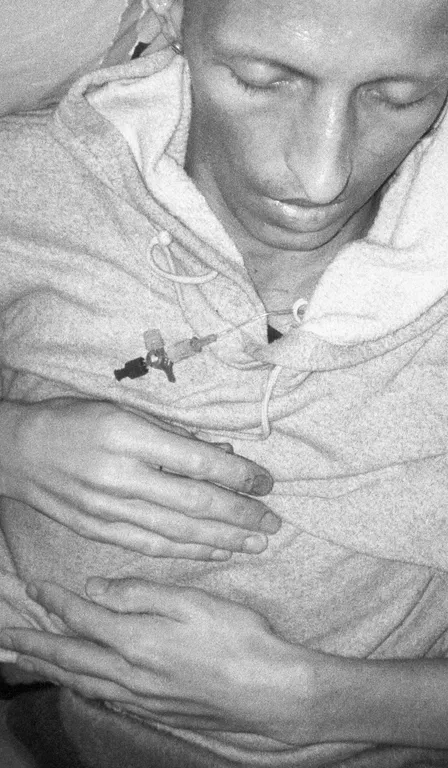
Das eigentliche Gelingen der Porträtserie liegt darin begründet, daß sie sowohl den Entwurf der eigenen Person, die Jürgen Baldiga lebte, als auch die Brüche in seiner Selbststilisierung abbildet. Vertrautheit und Nähe verbannen jeden Voyeurismus. Im Wechsel von gestellten Posen und Schnappschüssen geben die Fotografien die Gesamtinszenierung des Lebens wieder, als dessen integrale Bestandteile die Folgen von Aids dargestellt sind: Krankheit, die Klinikaufenthalte und medizinische Behandlungen. So erscheint etwa der häufige Aufenthaltsort des Bettes sowohl als schöne Draperie als auch als Ort der Krankheit und intimer Zweisamkeit. Obwohl die Chronologie der Bilder und das Vergehen der Zeit in Jürgens Gewichtsverlust zu bemerken sind, zeichnen die Abbilder keine Linie des Verfalls nach. Infusionsgerät, Magenspiegelung, Katheter, Übelkeit, Gedanken an den Tod haben dieselbe — einschränkende — Normalität wie Selbstverliebtheit, Liebschaft, Eisessen, Drogen, Beruf, politische Aktivität oder schwules Leben. Gleichwertig und in ihrer Reihenfolge austauschbar, werden hier Facetten des Lebens ausgebreitet.
Wie im literarischen Vorbild des Teufelspakts, bei dem beide Parteien zuletzt verlieren müssen (im Rahmen christlicher Vorstellung muß schließlich immer ein Drittes, nämlich die göttliche Macht sich durchsetzen), kam auch die Porträtserie nicht zum vereinbarten Schluß. Keiner der beiden hatte mit den gesetzlichen und bürokratischen Hindernissen gerechnet, an der das Ziel, im Krematorium vor dem Verbrennungsofen zu fotografieren, scheiterte. (Das göttliche Dritte ist durch die der Einflußnahme entzogenen Realitäten ersetzt.) Das letzte Foto, das Jürgen Baldiga sich gewünscht hatte, kam nicht zustande. An seine Stelle ist ein Bild des Toten in seinem Bett getreten. In diesem Bild verkehrt sich das Problem, dem Leben ein Abbild abzuringen, das für Aron Neubert wichtiger als die Vergänglichkeit war, um die es Jürgen Baldiga ging, ins Gegenteil. Das Bild ist für sich genommen kein Beweis, daß Jürgen Baldiga nicht nur schläft.
Ulmann-Matthias Hakert
While organising his affairs in anticipation of his death, Jürgen Baldiga decided to be cremated. He asked Aron Neubert to photographically record the cremation — the ultimate image of the disintegration of his body, a subject already captured by Jürgen in countless self-portraits. In promising to take this picture, Aron stipulated that they meet for a photograph each month that Jürgen remained alive, with the intent to form a series culminating in the image taken at the crematorium.
The photographs presented here came about as the result of this pact between friends, reminiscent of a pact with the devil. As a photographer exploring the self-image of his subjects, Baldiga directed his curiosity at every shade of exhibitionism. In presenting himself as an object for Aron's camera, Jürgen was fascinated with the idea of the ultimate disappearance of his own image — the wish of an inverted Narcissus. Rather than pining to unite with his own reflection in the water, as in the myth, he soon enjoys — at one with his own image — his destruction in fire.
It would be wrong to interpret this celebration of transitoriness as only a kind of infatuation with the idea of death. First and foremost it is a form of repressing the fact of his death, comparable to the ardour with which Baldiga planned his own wake. He designated the speaker for the funeral, and a few days before his death recorded the music for it on a cassette. Dying itself would not be left to chance. On his last evening, together with friends, he resolved to make an end of it, given the physical impossibility of living according to his own standards.
The portraits by Aron Neubert work so well because they capture both Jürgen Baldiga's inner being and the self he projected to the world. Familiarity and intimacy do not allow for voyeurism. The juxtaposition of posed portraits and snapshots reflects the imitation of life, including the reality of AIDS: sickness, hospital stays and medical treatments. The much-visited bed is a place of beautiful drapery, of illness and of intimate companionship. Even though the chronology of the pictures and the passage of time can be noted in Jürgen's weight loss, the portraits indicate no fall into decay. I.V. equipment, endoscopy, catheters, nausea and thoughts of death are shown as much as patterns of a normal, albeit restricted, life just like self-love, liaisons, eating ice cream, drugs, occupation, political activity or gay life. Facets of life are shown here to be of equal value and, as a sequence, interchangeable.
As in the literary model of a devil's pact, where ultimately both parties must lose — in the framework of the Christian imagination, a third party, the divine power, must prevail — the portrait series never reaches the pre-agreed conclusion; neither had considered the legal obstacles of taking a picture in front of the crematory oven. (The godly third party is replaced by inescapable realities.) The last photo that Jürgen Baldiga had so wished for was never taken. Instead, a picture of the deceased in his bed. The problem of wresting a likeness out of life— more important to Aron than the transitoriness with which Jürgen was concerned — is turned around precisely in this image. The picture, seen in isolation, offers no proof that Jürgen Baldiga is not simply sleeping.
Ulmann-Matthias Hakert